10+years in packaging machinery industry.
+86 13751707210 (Tel/ Whatsapp) Email:info@nolijmachinery.com

Liquid Packaging Machine Price: Key Factors and Cost Analysis

Liquid Packaging Machine Price: Key Factors and Cost Analysis
If you are in the market for a liquid packaging machine, the first question that likely comes to mind is, “How much will it cost?” The answer is rarely a simple number. The price of a liquid packaging machine can vary dramatically, from a few thousand dollars for a basic model to several hundred thousand for a fully automated production line. Understanding the factors that influence this cost is crucial for making a smart investment that aligns with your production needs and budget. This comprehensive analysis will break down the key elements that determine the liquid packaging machine price and provide a clear framework for your purchasing decision.
The most important concept to grasp is that the cost of a liquid packaging machine is not an arbitrary figure. It is a direct reflection of its capabilities, technology, and the value it will bring to your operation. A higher initial investment in a more robust and automated system often leads to significant long-term savings through increased efficiency, reduced labor costs, and minimized product waste.
Key Factors Influencing Liquid Packaging Machine Price
1. Level of Automation: Manual vs. Semi-Automatic vs. Fully Automatic
This is the single most significant factor affecting the liquid packaging machine price.
- Manual Machines: These require an operator to handle each step, such as placing bottles, initiating the fill, and removing filled containers. They are the most affordable option, ideal for startups or very low-volume production. However, their slow speed and high labor dependency make them expensive in the long run for scaling businesses.
- Semi-Automatic Machines: These strike a balance between cost and efficiency. An operator typically loads containers, and the machine handles the filling and sealing automatically. They offer a higher output than manual models at a moderate price point, making them popular for small to medium-sized businesses.
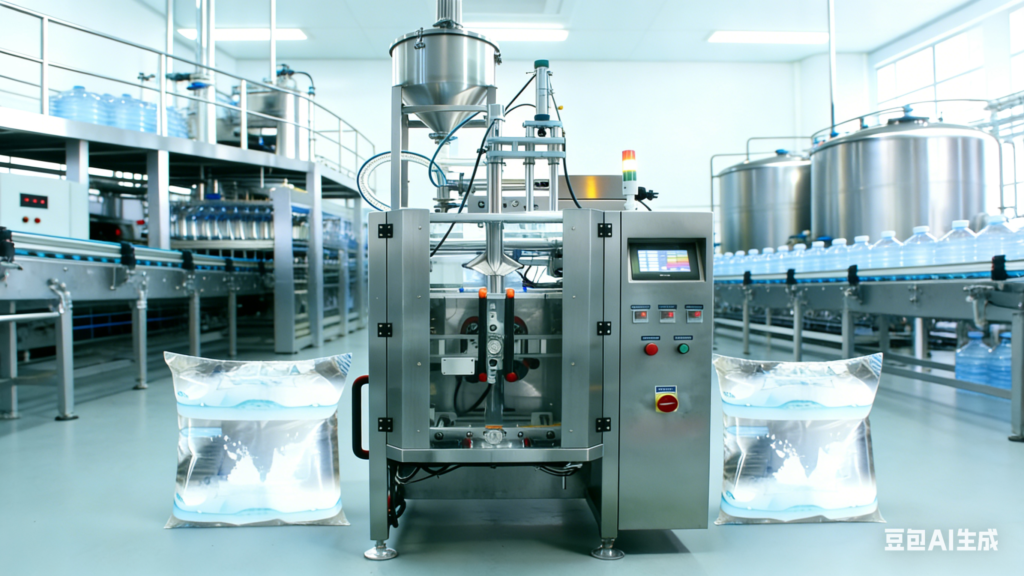
- Fully Automatic Machines: These are integrated into a complete packaging line, performing all tasks—from container feeding and filling to capping and labeling—without manual intervention. They represent the highest initial investment but provide the fastest speeds, lowest per-unit cost, and greatest consistency for high-volume production. The price here is justified by the sophisticated technology and robotics involved.
2. Technology and Filling Principle
The method used to fill your specific liquid product directly impacts the machine’s complexity and cost.
- Volumetric Fillers: Use pistons or pumps to dispense a precise volume of liquid. Excellent for viscous products like sauces, creams, and oils.
- Gravity Fillers: Simple and cost-effective for free-flowing, thin liquids like water and juices.
- Pump Fillers: Utilize various pump types (e.g., peristaltic) to handle a wide range of viscosities, including foamy or abrasive liquids.
- Pressure Gravity Fillers: Ideal for carbonated beverages, as they prevent loss of carbonation during the fill.
- Aseptic Fillers: The most advanced and expensive, these machines sterilize the product, packaging, and environment separately before filling in a sterile chamber. They are essential for products that require a long shelf life without refrigeration.
Each technology requires different components and precision engineering, which is reflected in the final liquid packaging machine price.
3. Production Speed and Output Capacity
Speed, measured in containers per minute (CPM), is a major cost driver. A machine designed for 50 CPM will be significantly less expensive than one built for 500 CPM. Higher speeds demand more durable materials, more powerful motors, advanced servo systems, and sophisticated controls to maintain accuracy and stability. When considering the price, you must realistically assess your current and future output needs to avoid under- or over-investing.
4. Construction Materials and Build Quality
The materials used to build the liquid packaging machine are critical, especially for food, pharmaceutical, or chemical applications.
- Stainless Steel (304 or 316): The industry standard for hygiene and corrosion resistance. Machines built with high-grade stainless steel are more expensive than those with carbon steel or aluminum frames. A fully stainless steel machine, often required for food-grade or sanitary applications, will command a higher price.
- Component Quality: The quality of seals, motors, PLCs (Programmable Logic Controllers), and sensors also affects cost and longevity. Brands that use renowned, reliable components (e.g., Siemens, Mitsubishi) will have a higher upfront cost but offer better reliability and easier servicing.
5. Customization and Versatility
A standard, off-the-shelf liquid packaging machine will be more affordable than a custom-engineered solution. Customization needs can include:
- Handling unique container shapes or sizes.
- Integrating specific labeling, capping, or coding systems.
- Accommodating a particularly challenging product characteristic (e.g., high viscosity, particulates).
- The engineering hours and specialized parts required for customization add to the overall liquid packaging machine price.
6. Brand, Service, and Support
Established brands with a proven track record of reliability and performance often charge a premium. This higher price typically includes invaluable support: comprehensive installation, operator training, readily available spare parts, and responsive technical service. Investing in a reputable brand can reduce costly downtime over the machine’s lifespan.
Conclusion: Looking Beyond the Initial Price Tag
When evaluating the liquid packaging machine price, it is essential to adopt a Total Cost of Ownership (TCO) perspective. The initial purchase price is just one part of the equation. Consider long-term factors like energy consumption, maintenance costs, ease of cleaning (which affects labor), and potential product waste. A slightly more expensive machine that is efficient, reliable, and minimizes waste will almost always provide a better return on investment than a cheaper, less capable alternative.
By carefully analyzing your product characteristics, required output, and growth plans, you can effectively navigate the market. Use this analysis of the key cost factors to have informed discussions with liquid packaging machine manufacturers and select the equipment that offers the best value and performance for your specific operation.