10+years in packaging machinery industry.
+86 13751707210 (Tel/ Whatsapp) Email:info@nolijmachinery.com

Key Considerations When Choosing a Salt Packing Machine for Your Business

Selecting the right salt packing machine is crucial for businesses in the food industry that specialize in salt packaging. A high-quality salt packing machine ensures efficient operation, safety, and long-term durability, which is essential for any packaging line. However, due to the corrosive nature of salt, there are specific factors you should consider when choosing equipment for this task. This article explores the key considerations, including corrosion resistance, machine capacity, material compatibility, and other essential features.
1. Corrosion Resistance: The Importance of 316 Stainless Steel
Salt, especially in bulk quantities, can be highly corrosive to machinery. When choosing a salt packing machine, one of the most critical factors to consider is the material of the components that will come into direct contact with the salt. For optimum performance and longevity, it is strongly recommended to opt for machines made with 316 stainless steel. This type of stainless steel is renowned for its resistance to corrosion and rust, making it ideal for environments where the equipment will be exposed to salt or other corrosive substances.
Unlike standard stainless steel, 316 stainless steel contains molybdenum, which enhances its resistance to chloride corrosion, a property essential when handling salt. By selecting a salt packing machine with components made from 316 stainless steel, you reduce the risk of corrosion-related breakdowns, ensuring a longer lifespan for the equipment and reducing the frequency of costly repairs or replacements.

2. Compatibility of Measurement and Contact Components
Another essential consideration when choosing a salt packing machine is the compatibility of the measurement and contact components with salt. As salt can be abrasive and highly corrosive, the measuring devices and other parts that come into direct contact with the salt must be made from durable, corrosion-resistant materials.
The measuring system of the salt packing machine, which is used to accurately fill the salt into packaging, should ideally be made from materials like 316 stainless steel or food-grade plastic that can withstand the corrosive nature of salt without degrading over time. Additionally, the seals, gaskets, and conveyors that come in contact with salt should also be resistant to corrosion to maintain consistent performance and hygiene.
3. Machine Capacity and Production Speed
When choosing a salt packing machine, you must also consider the production volume and speed that the machine can handle. If your business operates at a high throughput, you’ll need a salt packing machine that can handle larger volumes of salt quickly and efficiently. Some machines are designed for high-speed operations, while others are more suited for smaller batches or specialized packaging.
It’s essential to align your machine’s capacity with your business requirements to avoid over-investing in equipment that offers more than what you need or under-investing in a machine that might not meet future demand. Factors such as the required packaging sizes, types (e.g., bags, pouches, etc.), and packaging speed should be carefully evaluated before making a decision.
4. Accuracy and Consistency in Packaging
In the food industry, accuracy and consistency in packaging are crucial for both customer satisfaction and compliance with regulations. A salt packing machine should be able to fill packaging with the correct amount of salt consistently without spillage or wastage.
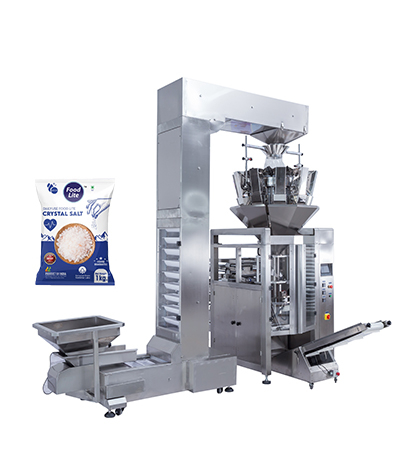
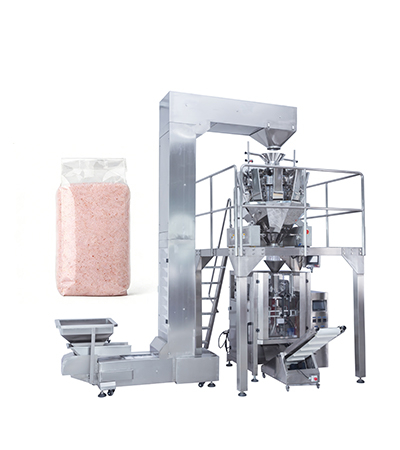
Look for a salt packing machine that offers advanced weighing and filling technology. Features such as automatic weight correction, multi-head weighing systems, and advanced sensors can ensure that each package is filled with the right amount of salt, ensuring product quality and reducing waste. High accuracy not only saves material costs but also contributes to operational efficiency by minimizing the need for manual intervention.
5. Ease of Cleaning and Maintenance
Hygiene is a critical factor in food packaging, especially when working with food products like salt. Since salt can leave residues and even cause corrosion over time, ensuring that your salt packing machine is easy to clean is essential for maintaining food safety standards. A machine that is difficult to clean or that harbors salt residues can compromise the quality of the final product and even cause health concerns.
Look for machines that offer quick disassembly and easy access to cleaning points. Salt packing machines made with materials like 316 stainless steel are easier to clean and sanitize, as they are resistant to staining and corrosion from cleaning agents. Automated cleaning systems or machines designed with smooth surfaces and few crevices also reduce cleaning time and improve hygiene.
6. Customization and Flexibility
Every business has its unique packaging requirements, and this is no different when it comes to salt packaging. A one-size-fits-all approach doesn’t always work, especially when dealing with different types of salt or varying package sizes.
When selecting a salt packing machine, it is important to ensure that the equipment can be customized to suit your specific needs. This includes adjusting the filling volume, bag sizes, and even the type of packaging material used. Machines that offer flexibility and the ability to switch between different packaging formats can provide greater value and adaptability for your business.
7. Durability and Long-Term Reliability
Salt is not only corrosive but also abrasive, which means that packaging machines used for salt must be built to endure extended periods of operation. Durability should be a top consideration when choosing a salt packing machine. A well-built machine made from corrosion-resistant materials like 316 stainless steel can handle the abrasiveness of salt without wearing out quickly.
Investing in a high-quality salt packing machine reduces the need for frequent repairs or replacements and ensures long-term, reliable performance. Consider purchasing from reputable manufacturers with proven track records of creating durable machines that can withstand harsh working conditions.
8. Cost-Effectiveness
While it may be tempting to choose the cheapest option, opting for a salt packing machine based solely on price can lead to unforeseen costs down the road. Machines that are not built to handle the corrosive properties of salt may require frequent repairs, or worse, replacement. This can lead to downtime and additional operational costs.
Investing in a high-quality salt packing machine made from corrosion-resistant materials like 316 stainless steel can provide better long-term value. While the upfront cost may be higher, the reduction in maintenance and longer equipment lifespan can result in significant savings over time.
Conclusion
Selecting the right salt packing machine for your business requires careful consideration of several factors, including corrosion resistance, material compatibility, production capacity, accuracy, and ease of maintenance. Opting for a machine made from 316 stainless steel ensures that it can withstand the corrosive nature of salt while providing the durability and reliability needed for efficient operations. By considering these factors, you can choose a salt packing machine that meets your specific needs, ensuring smooth and cost-effective packaging operations for your business.
click to see video>>https://youtu.be/e53Q1BOUkbA